

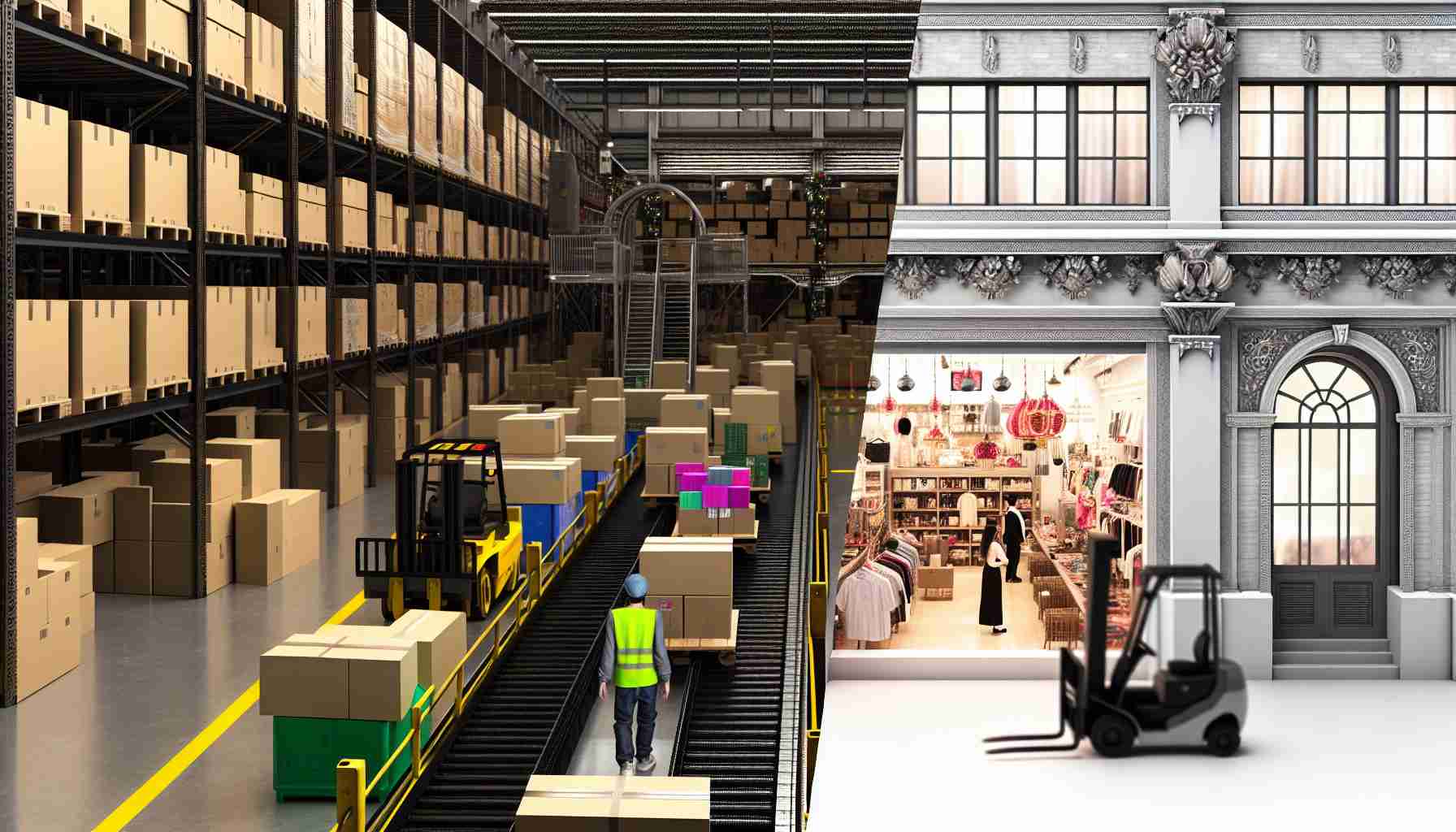
E-commerce has significantly reshaped the retail landscape, affecting traditional brick-and-mortar businesses in profound ways. This shift presents both challenges and opportunities, allowing retailers to innovate and improve operational efficiency. Understanding this impact is crucial for retailers to navigate the future effectively.
The Rise of E-Commerce
The transformation from physical retail spaces to digital marketplaces has been startlingly swift. Online shopping has grown profoundly in the past 20 years. Enhanced connectivity and advancing technologies have enabled this revolution. Meanwhile, key players have expanded their reach globally. Consumer behaviour has shifted dramatically, favouring the convenience of browsing and purchasing online. As digital efficiency increased, traditional shops faced diminished footfall. Many consumers now prefer the ease and variety offered online. These factors have pressured traditional retailers to adapt, often struggling to maintain their physical outlets. Notably, innovations in timekeeping and management systems have further assisted in streamlining business operations. For example, the integration of time and attendance systems has become increasingly critical. This technology helps businesses manage workforce efficiency, contributing to their efforts in adapting to modern retail demands. To explore more about optimising workforce management, explore this article on optimising workforce management.
Challenges Faced by Brick-and-Mortar Stores
Brick-and-mortar stores face myriad challenges with the exponential rise of e-commerce. One primary concern is the noticeable reduction in foot traffic, as consumers increasingly favour online shopping platforms. The intense competition from digital retailers, offering convenience and often lower prices, compounds this issue. Physical stores find themselves grappling with high operational costs, including rent and utilities, which online stores often circumvent. Efforts to integrate digital strategies like click-and-collect systems are essential but don’t always guarantee increased footfall or sales. Effective stock management becomes difficult when predicting shifting consumer behaviour driven by online trends. Customer engagement also sees a transformation, requiring innovative approaches to create memorable in-store experiences. To remain relevant, many traditional retailers are blending physical and digital environments to enhance customer interaction and streamline operations. For example, using effective time and attendance systems can help manage workforce more efficiently, optimising both time and resources. A good example of such a system is , Better Times
Opportunities for Innovation in Traditional Retail
Brick-and-mortar stores have a significant opportunity to innovate by integrating technology into their operations. Omnichannel retailing merges physical and online shopping. This fusion enhances customer convenience and drives in-store traffic. In-store technology solutions like smart shelves and interactive displays create engaging experiences. Personalisation is another key area where technology excels, tailoring offers to individual preferences. Effective workforce management is crucial in these dynamic environments. Platforms that manage time and attendance can greatly improve operational efficiency. These systems streamline shift scheduling and simplify payroll processes, ensuring accuracy and compliance. The ability to seamlessly integrate data into existing systems is a game-changer. Explore how accurate time and attendance data offer significant advantages in optimising operations and customer engagement.
The Future of Retail in a Digital World
As digital transformation reshapes the landscape, retail is evolving beyond simple transactions. Click-and-collect services bridge the gap between online convenience and in-store interaction. They reduce delivery times and enhance customer satisfaction. Virtual reality offers a new dimension of shopping, allowing immersive product experiences without physical limitations. Meanwhile, AI-driven customer service ensures personalised, efficient interactions, helping to anticipate customer needs and preferences.
Traditional stores must embrace these changes to remain competitive. Integrating advanced technology into in-store experiences creates a unique value proposition. By offering experiential shopping, retailers can not only attract but retain customers. Innovations in time and attendance systems, such as cloud-based apps, further enhance operational efficiency, blending the advantages of both physical and digital realms.
Final words
The impact of e-commerce on retail is undeniable, presenting both challenges and opportunities. For traditional stores, innovating through technology and improving efficiency are key to survival. Embracing digital tools and integrating advanced solutions like Better Times can position these businesses for success in the evolving retail landscape.
