

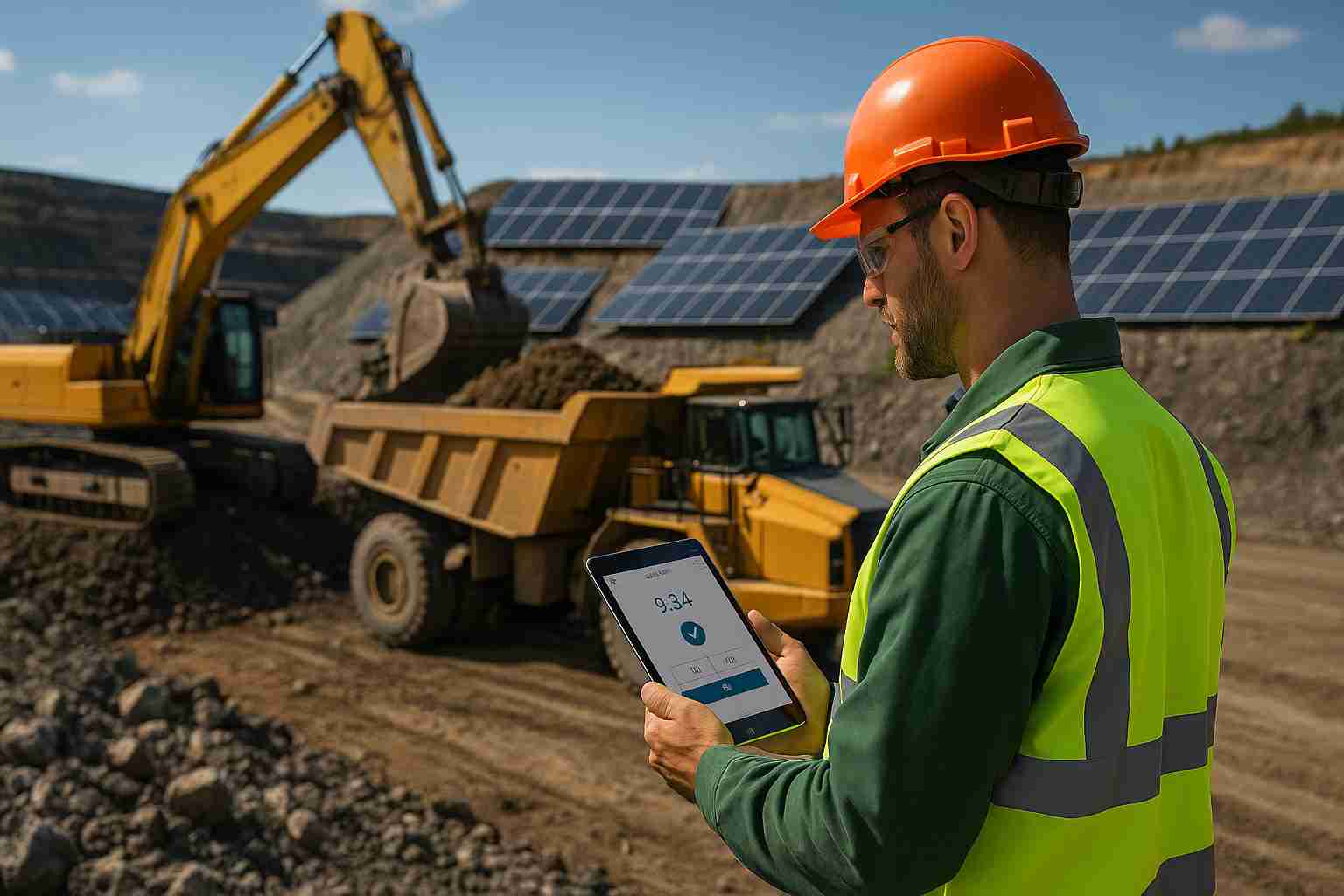
The mining sector is crucial for providing essential resources but is often criticized for its environmental impact. Effective management using advanced systems like Better Times improves efficiency and supports sustainable practices. This article explores how these systems contribute to reducing the mining industry’s environmental footprint.
The Environmental Impact of Traditional Mining
Traditional mining practices have substantial environmental impacts. They can often cause severe land degradation, stripping land of vegetation and reshaping landscapes. This could lead to habitat destruction and loss of biodiversity. Water pollution is another pressing concern. Some mining operations release harmful toxins into nearby water sources, affecting both aquatic life and communities dependent on these resources.
Additionally, mining processes contribute significantly to carbon emissions. A report showed that the mining industry accounts for 4-7% of greenhouse gases worldwide. These stark realities highlight the need for a paradigm shift towards sustainability. Implementing efficient time and attendance systems in mining can improve workforce management, reducing unnecessary site activities and therefore minimizing environmental footprints. For more insights into how technology enhances efficiency, see the importance of accurate timekeeping data.
Advancements in Sustainable Mining Technologies
Advancements in sustainable mining technologies are reshaping the industry by minimising environmental degradation. Renewable energy sources like solar and wind power drive machinery, drastically reducing carbon emissions. Improved waste management systems ensure mine waste is efficiently processed and repurposed, lessening ecological harm. Meanwhile, water recycling technologies are conserving this precious resource by treating and reusing water within mining operations. Automation and data analytics also play a critical role in reducing environmental impacts. By precisely monitoring operations, they optimise resource use and highlight areas for further improvement. Forward-thinking companies are embracing these technologies to lead in sustainable practices. Their initiatives demonstrate the potential for greener, more responsible mining, setting a valuable precedent for global industry standards. View how automation and AI optimise productivity for similar positive outcomes.
Role of Time and Attendance Systems in Sustainable Practices
Sophisticated time and attendance systems offer a pivotal role in sustainable mining practices. They deliver precise workforce management, which cuts down operational errors and boosts resource efficiency. This meticulous accuracy facilitates informed decision-making processes that support regulatory compliance and align with environmental objectives. These systems significantly reduce the likelihood of operational mishaps, which can lead to costly environmental impacts. By providing real-time data, they enable the mining industry to optimise resource allocation and improve sustainability efforts. They promote energy efficiency by accurately forecasting workforce needs, limiting unnecessary resource use. Furthermore, accurate tracking and reporting of employee attendance can help ensure that operations do not extend beyond permissible hours, aligning with sustainable labour practices. For more insights, explore how accurate attendance data can transform mining operations.
Implementing Sustainable Strategies in Mining Operations
Strategic planning begins by analysing data captured by time and attendance systems. Mining companies can pinpoint inefficiencies and operational discrepancies. By aligning these findings with environmental goals, they create targeted sustainability objectives. Continuous monitoring then ensures adherence and progress. Setting clear sustainability goals becomes less daunting with accurate data, directing companies towards meaningful improvements.
Engaging stakeholders through transparent reporting fosters trust and collaboration. When companies demonstrate responsible practices, they invite community and regulatory support, enhancing reputational capital. Workforce management is simplified through data-driven insights, further simplifying sustainability enforcement. Encourage companies to explore innovative workforce solutions that support sustainable goals. Employees become active participants in eco-friendly practices. Visit time management strategies improved using Better Times for more on effective workforce management solutions.
Final words
Integrating time and attendance systems like Better Times into mining operations is beneficial for promoting sustainability. As the industry strives to minimize its environmental footprint, such tools enhance worker management, reduce costs, and aid in maintaining regulatory compliance. Adopting these systems can be a significant step toward a more sustainable future.
